Dates and Times with ISO 8601, RFC 3339, and RFC 9557
What Time Looks Like
Things to know about formatting dates and times in the world of computers:
ISO 8601 lets you format date/times in a few way. For example:
RFC 3339 is basically ISO 8601 with a reduced set of options. For example, the smushed version (e.g. 20260223T143045Z) goes away.
That's an easy removal for me. I want to be able to read dates. The dashes and colons make that easier.
Time Keeps on Turning
ISO 8610 was first published in 1998. RFC 3339 kicked off in 2002. A relative short four years for the new spec. RFC 9557 took twenty-two before it was released in 2024.
It's biggest feature is tacking on timezone details:
I don't mess with timezones though. They are notoriously hard to work with2. I stick with Coordinated Universal Time (aka UTC or Zulu Time)3
A single piece of text that puts things in order starting with the year and moving to seconds4. It complies with all the specs and make sorting by date nice and easy.
-a
Footnotes
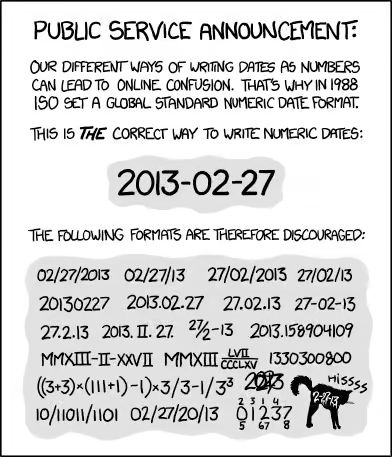
Basically, time is wibbly wobbly and a pain in the ass to work with.
Time zones can go to hell.
If you need them, you can do milliseconds too: