Photoshop's Content-Aware Fill Ain't Half Bad
Discussing generative AI is fraughtimages. It's easy to make binary distinctions. Love it, hate it. No in-between.
I'm mostly against it for images. Fully admitting some look dope, the fact that it's making it harder for artists to make a living is too muchtime. Not to mention the resource usageenergy.
There is one place I'm fine with it: background generation.
Behind the Scenes
I've taken to playing Magic: The Gathering. The crew I play with is spread across multiple countries. We use Tabletop Simulatortts for our virtual play surface. The app lets you customize play mats and card backs. I'm collecting a bunch of images for themplaymats.
Take this awesome bear from The Smithsonian's public domain collectionbear.
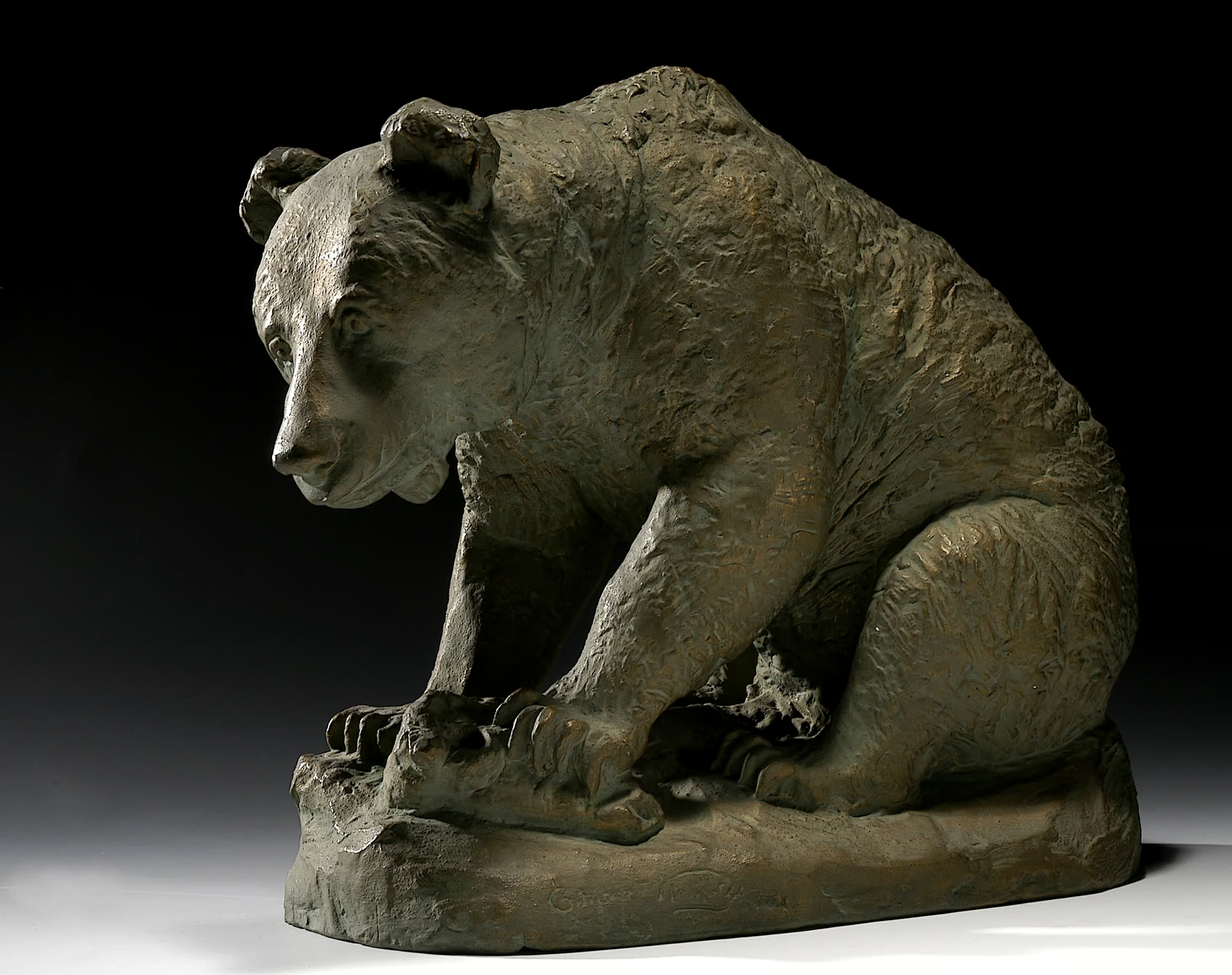
Wonderful. But, not the right aspect ratio. Play mats are 16:9. I don't know what the bear is. Just that it ain't that. I'd been dropping images into the middle of black backgrounds to cover the size. Something like this:
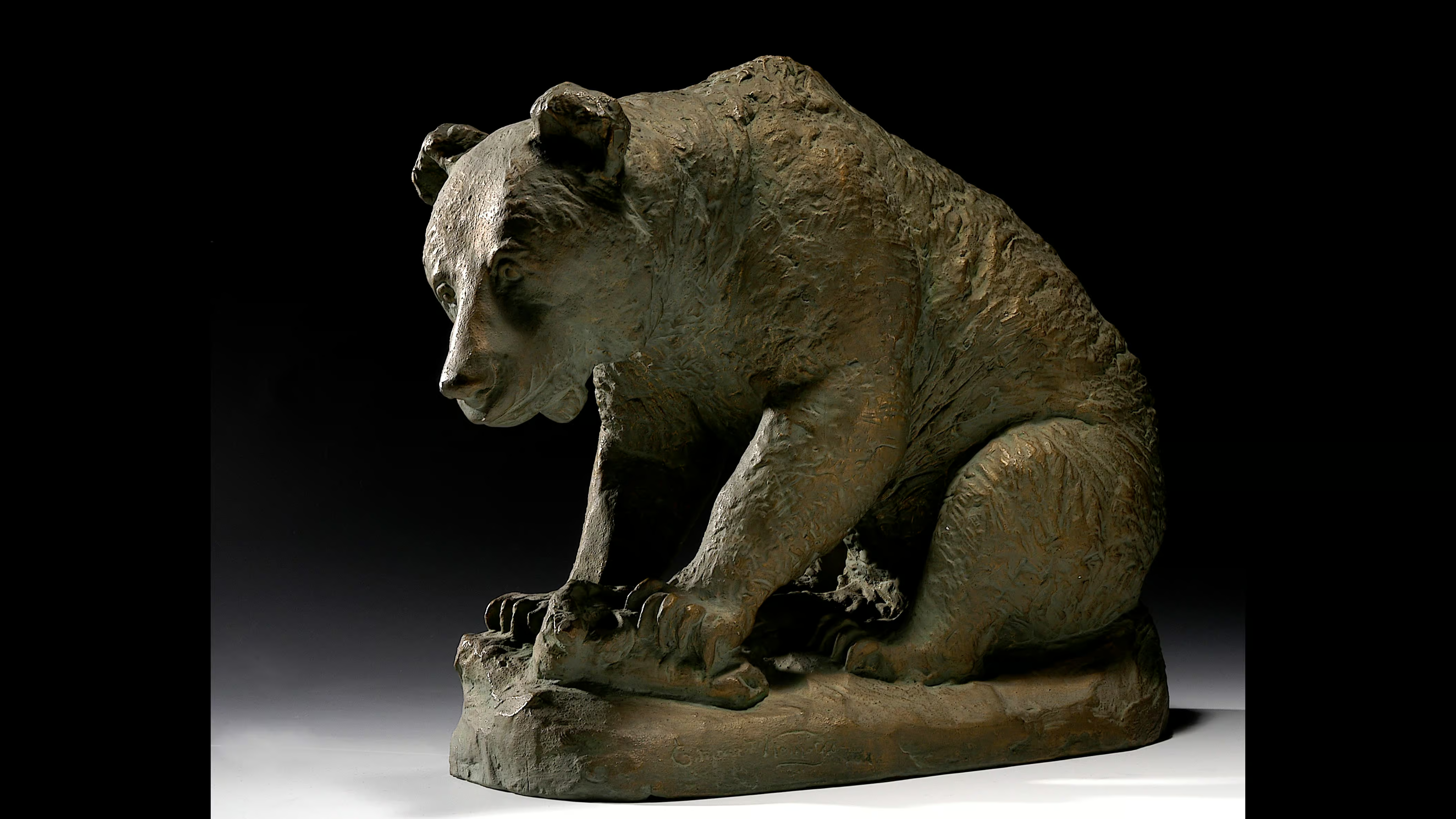
Not bad. Better than stretching the image. But, not great.
Then, I remembered Content-Aware Fillfill.
Better Backing
Content-Aware Fill is a Photoshop feature. It attempts to use existing parts of an image to generate something that looks reasonable for new areas. It uses machine learning to figure out which pixels go where. "Machine learning" being what AI was called before AI became the buzz word.
A few clicks, and we get this:
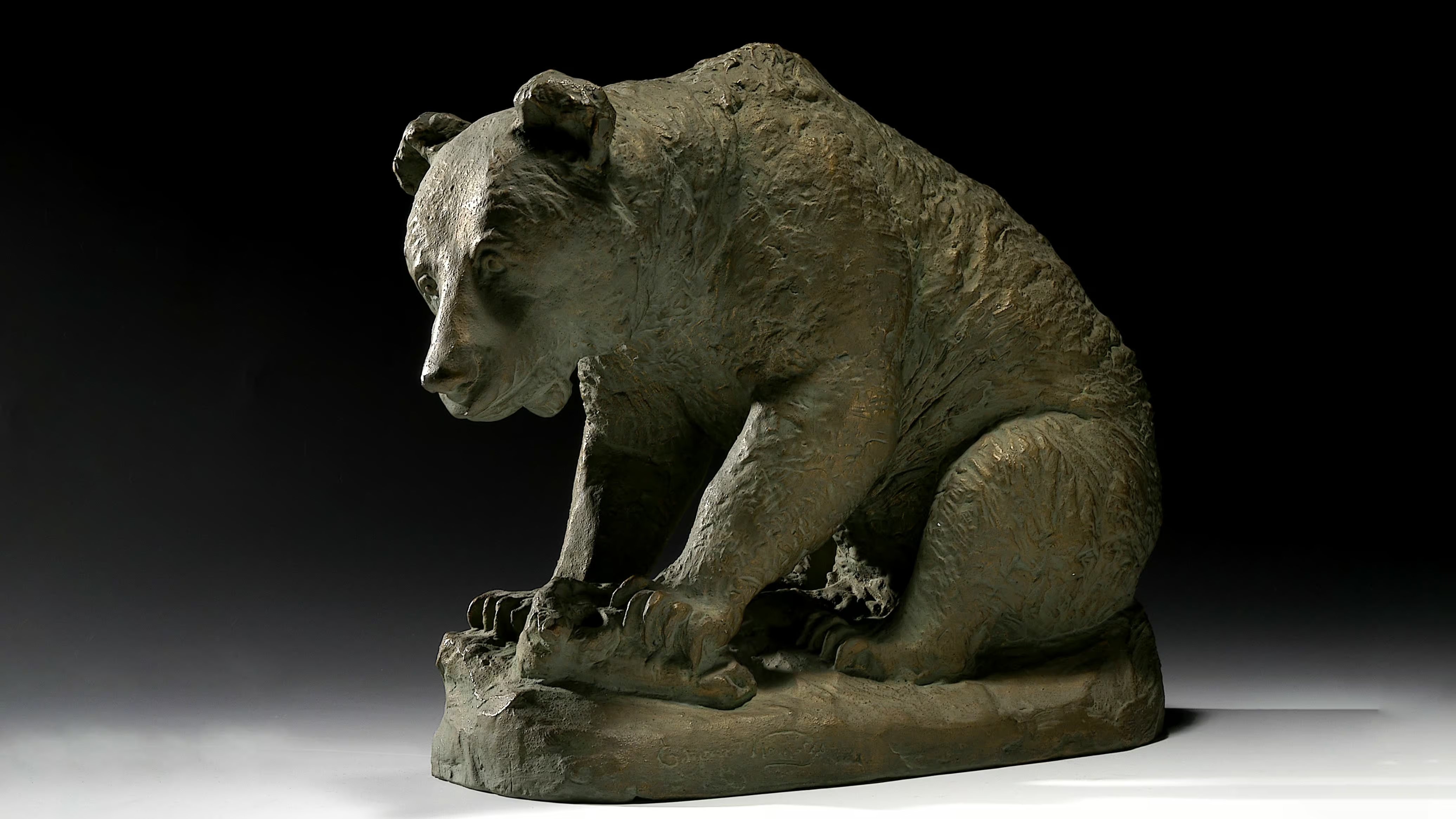
16:9 but with a background that matches the original instead of black bars.
Close Enough for Jazz
It' not perfect. The gradient between dark and light is splotchy on the left side. The hard edge of the shadow on the right maybe cuts off a little quick. I could clean it up. Make it impossible to tell where the original ends and the addition begins. That would take time and effort. Content-Aware Fill took a few clicks and about 20 seconds.
Hard to beat.
-a
Endnotes
A quick video showing how to use Content-Aware Fill.
More videos should be like this. 24 seconds of mouse movement showing you exactly where to click. Most videos aren't even out of their "Hey, Guy!" intro in that time.
Here's Kermit with another example of extending an image with a more complicated visual to match.
Original:

Content-Aware Filled:
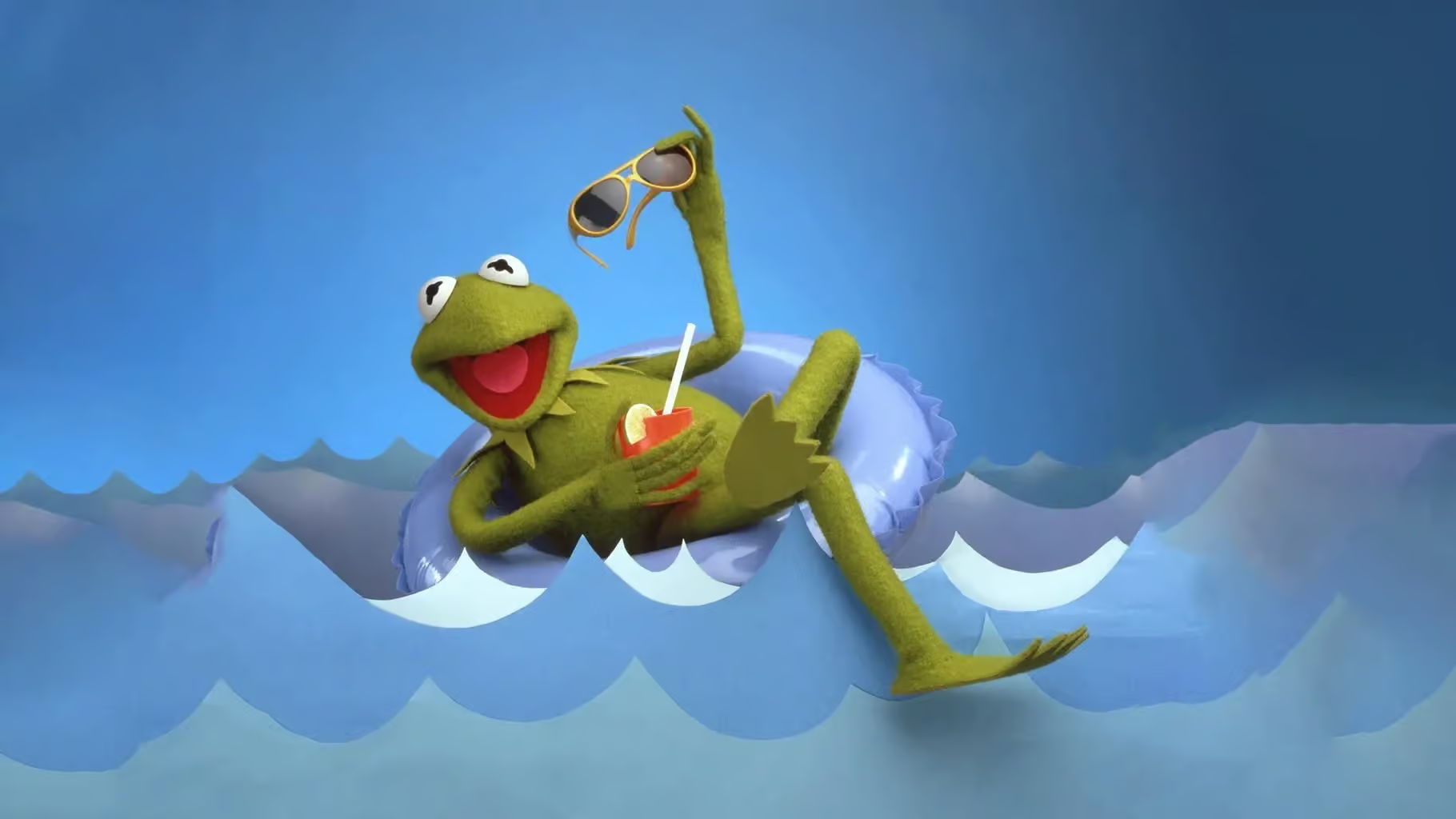
It doesn't do the greatest of jobs. The extended waves are all blurry and it emphasizes the darkening gradient of the background. I'll adjust the lighting a little but it's way better than black bars with nothing more than this.
Footnotes
I'm referring here to image generation. Code and prose generation are separate topics.
Check back in a few years. I have a feeling I'm in the same position from a couple decades ago when professional photographers refused to use digital/phone cameras. There's something different with AI since it's a different category of tool that makes the actual images, but still.
Everything I understand about generative AI is that it takes a lot of energy and
The mats (and card backs) I'm collecting to use during rounds.
It make my fans spin up like all hell. Small price to pay for being able to play with a globally diverse group. The feature set built in for Magic is great. (It's also hackable. I haven't gone down that rabbit hole yet.)
Just a little guy.
The marketing page focuses more on removing things. That works well too.